




The Quiet Luxury of Kyoto's Ryokan Breakfast
Fine Dining | October 4, 2026
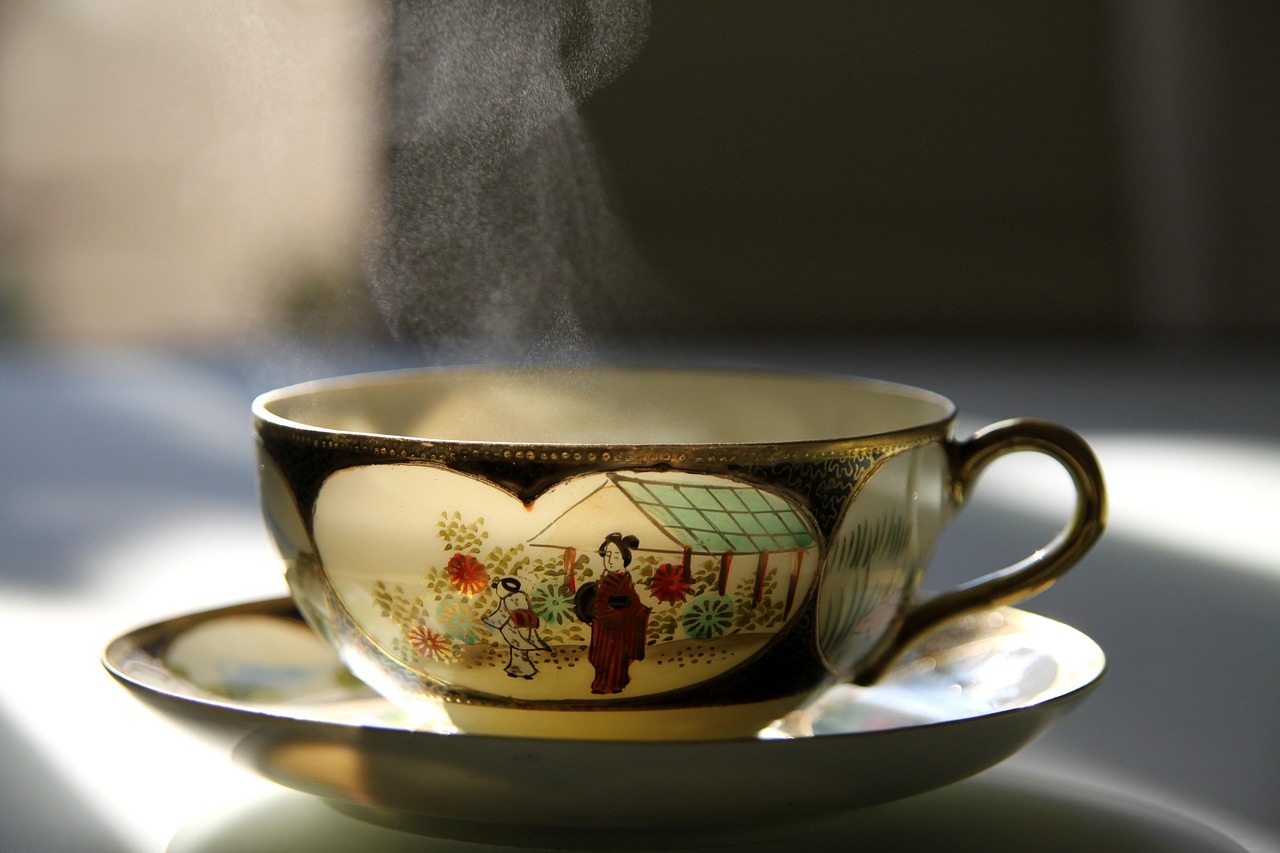
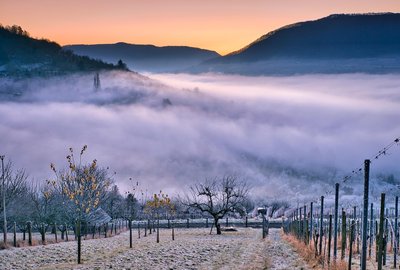
There is a particular hour in Kyoto, just after the temple bells have faded and the morning mist still clings to the moss, when the city belongs to those who know how to wake slowly. It is at this hour that the finest ryokan serve breakfast, and it is a meal that has quietly become one of the world's great dining experiences — not because of opulence, but because of restraint.
The setting matters as much as the food. At a traditional ryokan, breakfast is served in your room, on a low lacquered table polished to a mirror sheen. A sliding paper door opens onto a private garden, where a maple tree holds the light and a stone basin fills with water at a pace so gentle you almost forget it is moving. The meal arrives in courses, each one an exercise in precision: a cube of grilled fish, its skin blistered to a crackle; a bowl of rice cooked in an earthenware pot, its steam carrying the faint sweetness of new grain; miso soup with tiny clams still clinging to their shells.
The Art of the Unhurried Table
What distinguishes a Kyoto breakfast from any other is not the ingredients themselves — though the tofu here is silkier, the pickles more complex, the tea greener — but the pace. There is no rush, no buffet line, no second seating. You are expected to linger. The okami, the matriarch who runs the inn, will appear silently to refill your tea, adjust the window, or simply nod in quiet acknowledgment that everything is as it should be. This is hospitality as an art form, and it is disappearing from much of the world.
The meal unfolds in a sequence that has been refined over centuries. First, a small glass of chilled yuzu juice to wake the palate. Then the kobachi, tiny bowls of simmered vegetables and pickled plum, each one a study in balance. The grilled fish arrives next, often mackerel or salmon, salted the night before and cooked over charcoal until the skin shatters like glass. Rice comes last, scooped from the pot into a bowl so warm it almost hums against your palms. You eat it with a raw egg, stirred into the grains until they turn golden, or with a sprinkle of furikake and a piece of nori folded like a letter.
Why It Matters
In an age of over-the-top dining, where tasting menus stretch to twenty courses and restaurants compete for the most Instagrammable plate, the ryokan breakfast is a quiet rebuke. It asks nothing of you but attention. It does not try to impress; it simply is. And in that simplicity, it achieves something rare: a meal that feels less like consumption and more like communion — with the season, with the garden, with the person who prepared it before dawn.
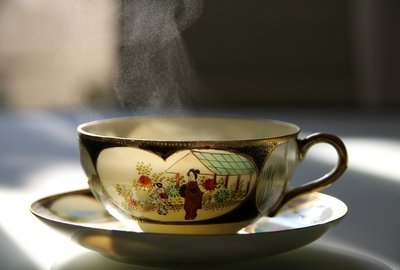
To stay at a ryokan like Tawaraya, Hiiragiya, or the smaller, lesser-known inns tucked into the lanes of Gion is to step into a different rhythm. You will not find a menu with prices. You will not be asked to choose. You will simply be fed, beautifully, and then left to sit with the garden and the fading steam of your tea. It is, in the end, the most luxurious thing of all: time, and the grace to enjoy it.


Rosewood Review

High in the Alps, a new generation of retreats is trading chintz and cuckoo clocks for cold plunges, silence, and architectural restraint.