




A Weekend in the Douro: Port, Quiet, and the River
Destinations | September 25, 2026
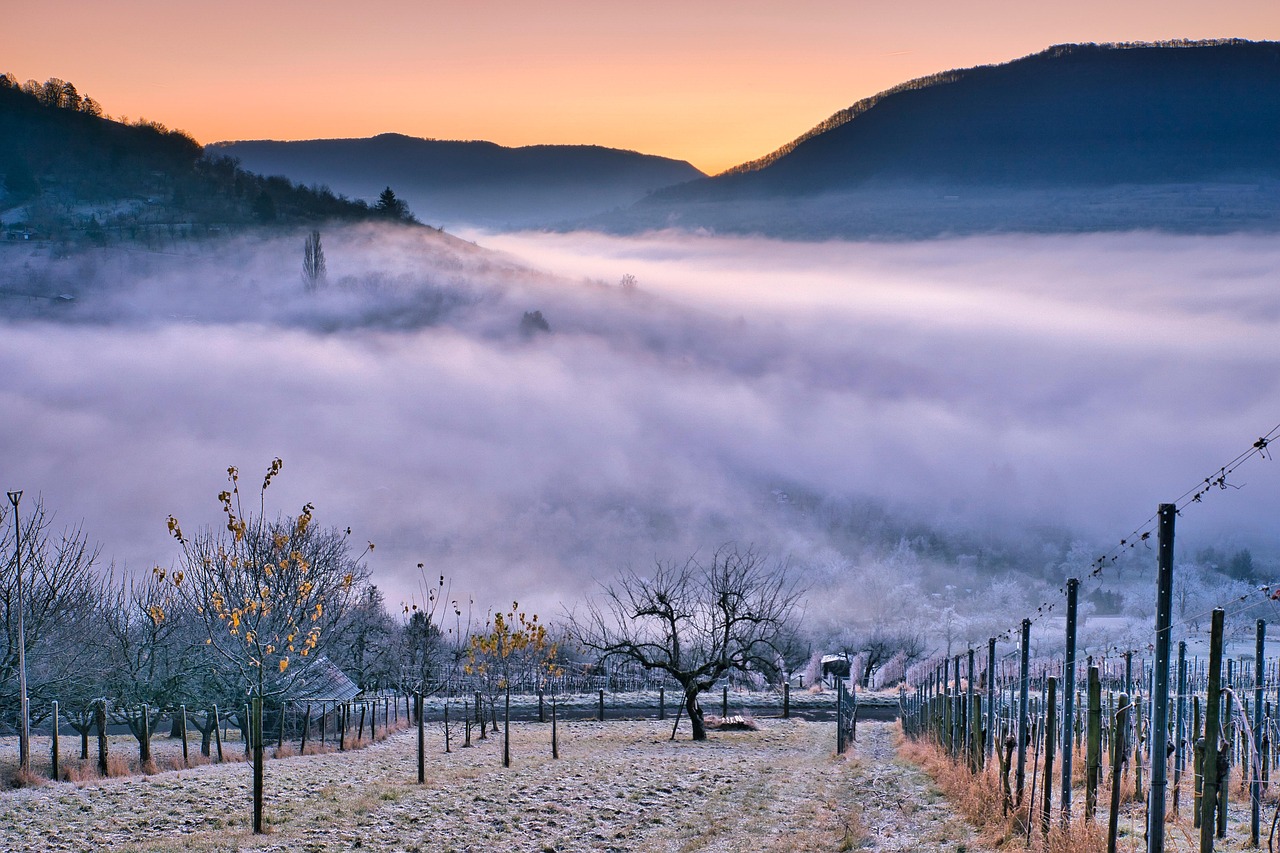
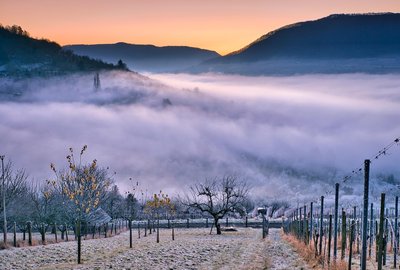
The Douro Valley does not announce itself. You drive east from Porto, through the city's grey outskirts, then into hills that grow steeper and greener, until suddenly the river appears below you — wide, dark, and ancient — and the vineyards begin. They are not like the vineyards of Bordeaux or Tuscany. They are terraced into schist, stacked in narrow rows that follow the contours of the land, so that the whole valley looks less like farmland and more like a vast, green amphitheater carved by hand.
This is the oldest demarcated wine region in the world, and it has been producing port for centuries. But in recent years, the Douro has also become a destination for travelers who want more than a tasting. They come for the quiet, the food, the river, and the chance to stay in a quinta — a working estate — where the pace of life is set by the harvest and the weather.
Where to Stay and What to Drink
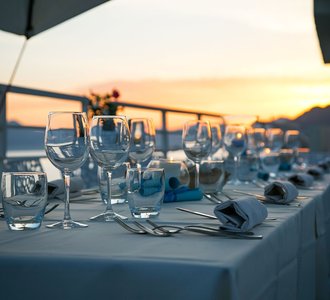
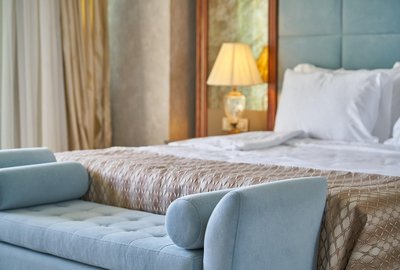
The best quintas are the ones that have opened their doors to guests without turning into hotels. You will find them along the river between Pinhão and Régua, often at the end of a long, winding driveway. Rooms are simple but comfortable, with stone walls, wooden floors, and windows that open onto the vines. Breakfast is local: fresh cheese, dark bread, honey, and fruit from the garden. Dinner, if you arrange it, is served at a long table with the family and whatever other guests are staying that week.
The wines, of course, are the point. You will drink port — tawny, ruby, vintage, and the increasingly popular white — but you will also drink the table wines that the region produces in growing quantity and quality. These are robust, dark-fruited reds and crisp, mineral whites that pair beautifully with the local cuisine: bacalhau, roast lamb, and the excellent olive oil that comes from groves just up the hill.
The River and the Road
The Douro is best experienced slowly. Take a boat trip from Pinhão — not the large, crowded ones, but a small, private launch that will stop at a quinta or two along the way. Drive the N222, one of the most beautiful roads in Europe, which follows the river through terraces and tunnels and tiny villages where time seems to have stopped. Stop at a miradouro, a viewpoint, and just sit. The light changes every hour, and the river never looks the same twice.
Come in September or early October, when the grapes are being harvested and the valley is alive with the sound of tractors and voices. Or come in spring, when the almond trees are in bloom and the hills are green. Either way, bring a book, a good pair of shoes, and no particular plan. The Douro rewards those who let it set the schedule.


Rosewood Review

Forget the duty-free and the crowded lounge — the smartest travelers are rethinking how they spend their time before a flight.