


Dining at the Edge of the World: A Night at a Cliffside Restaurant
Fine Dining | September 19, 2026
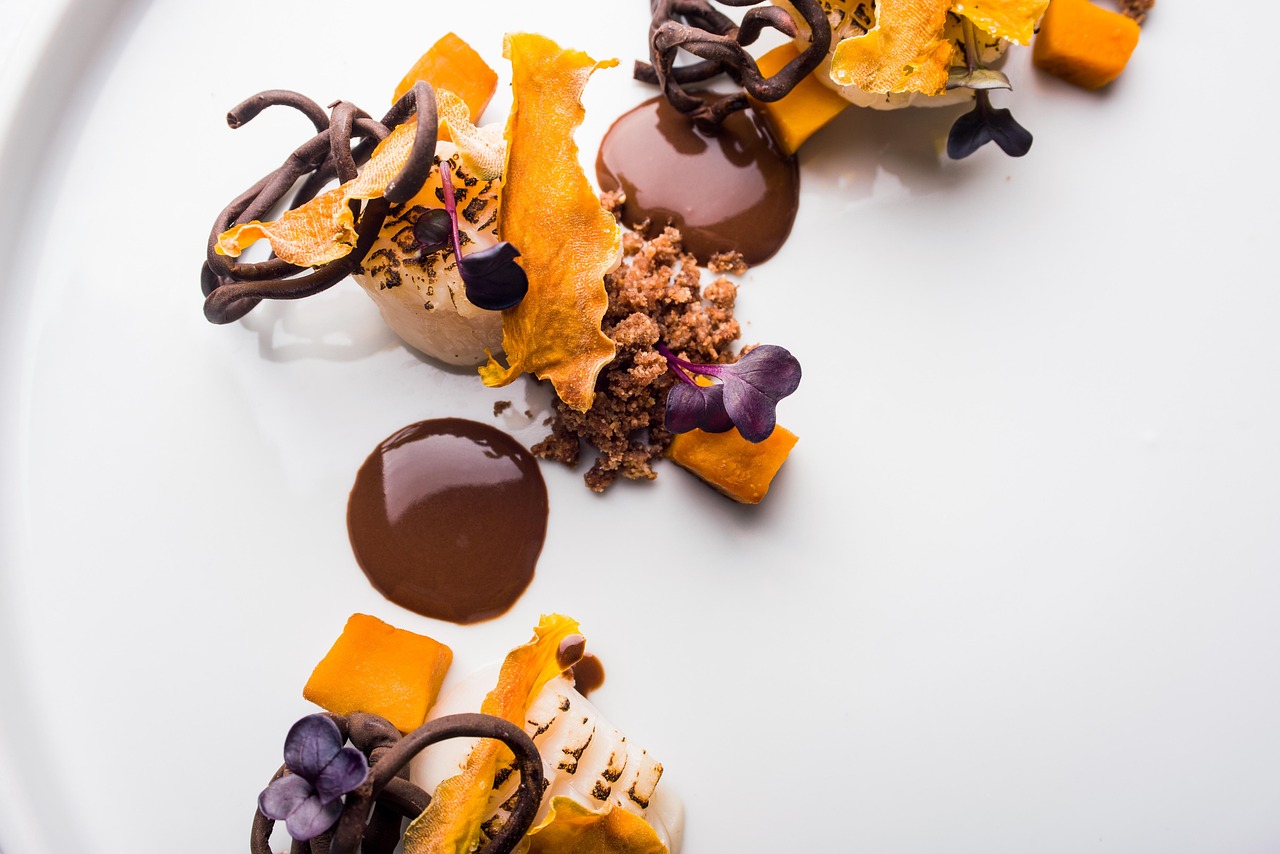
The drive there is part of the ritual. Winding roads that narrow to a single lane, headlights sweeping across limestone walls, the smell of salt growing stronger with every turn. By the time you reach the gate, you have already left something behind — the noise of the city, the compulsion to check your phone, the urge to be somewhere else. What remains is appetite, sharpened by anticipation.
Restaurants built into cliffs have a particular psychology. They trade on drama, and the best of them know it. The worst lean too hard on the view, letting the kitchen coast while the sunset does the work. The one I visited last month, on a stretch of coast where the Adriatic folds into the rocks, understood something subtler: the view is an ingredient, not a substitute. It should be folded into the meal, not used to conceal it.
The Architecture of Arrival
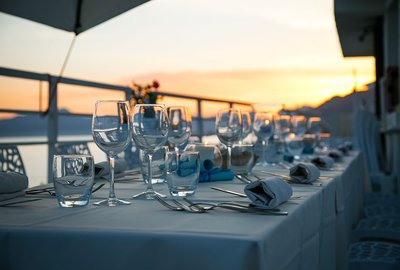
You enter through a stone corridor that opens suddenly onto a terrace suspended above the water. Tables are staggered so that no one blocks anyone else's sightline — a detail that sounds obvious until you dine somewhere that ignores it. The lighting is low and warm, deliberately dim so that the sea and sky remain the brightest things in the frame. Aperitifs arrive without being ordered: something bitter and cold, a sliver of citrus peel curled inside the glass.
The menu is short. Seven courses, no choices, which is either a confidence or a trap. Here it was the former. The first plate — a single oyster, barely dressed, sitting on a bed of crushed ice and wild fennel — set the tone. Nothing was going to be hidden behind sauce. The kitchen was going to let the ingredients speak, and the sea was going to be the loudest voice in the room.
What the Water Teaches the Kitchen
Coastal cooking at this level is a study in restraint. The second course was a broth so clear it looked like water, made from fish bones and nothing else, finished with a few drops of olive oil pressed from trees grown on the slope above the restaurant. The third was a piece of turbot, cooked on the bone, served with nothing but a squeeze of lemon and a dusting of sea salt harvested from a nearby salt pan. It was, without exaggeration, the best fish I have eaten this year.
The middle courses grew slightly more elaborate — a risotto with cuttlefish ink, a lamb course that felt like a deliberate nod to the hills behind us — but the philosophy held. Nothing was crowded. Nothing was trying too hard. The sommelier poured a white from a vineyard we could almost see across the bay, and when I asked about it, he shrugged and said, 'It tastes like here.' That is the highest compliment a wine can receive.
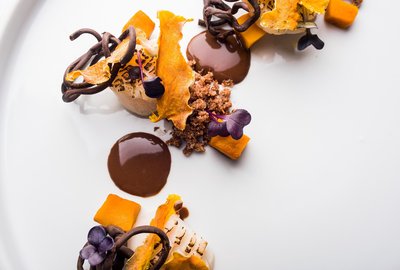
Dessert was a fig leaf ice cream, herbal and green, with a drizzle of honey from hives kept on the property. By then the sun had gone and the sea had turned black, and the only light came from the restaurant itself, glowing like a lantern on the cliff. I walked out an hour later, slightly unsteady, not from the wine but from the completeness of the experience.
This is what fine dining at its best can do: it does not just feed you, it situates you. It tells you where you are, and why it matters, and what the place tastes like when someone who loves it is doing the cooking. The view helps. But the kitchen is what you remember.


Rosewood Review
A great hotel bar is not a waiting room — it is the soul of the property, and the best ones know it.